Top Ad Agency Websites: Design Trends Worth Borrowing
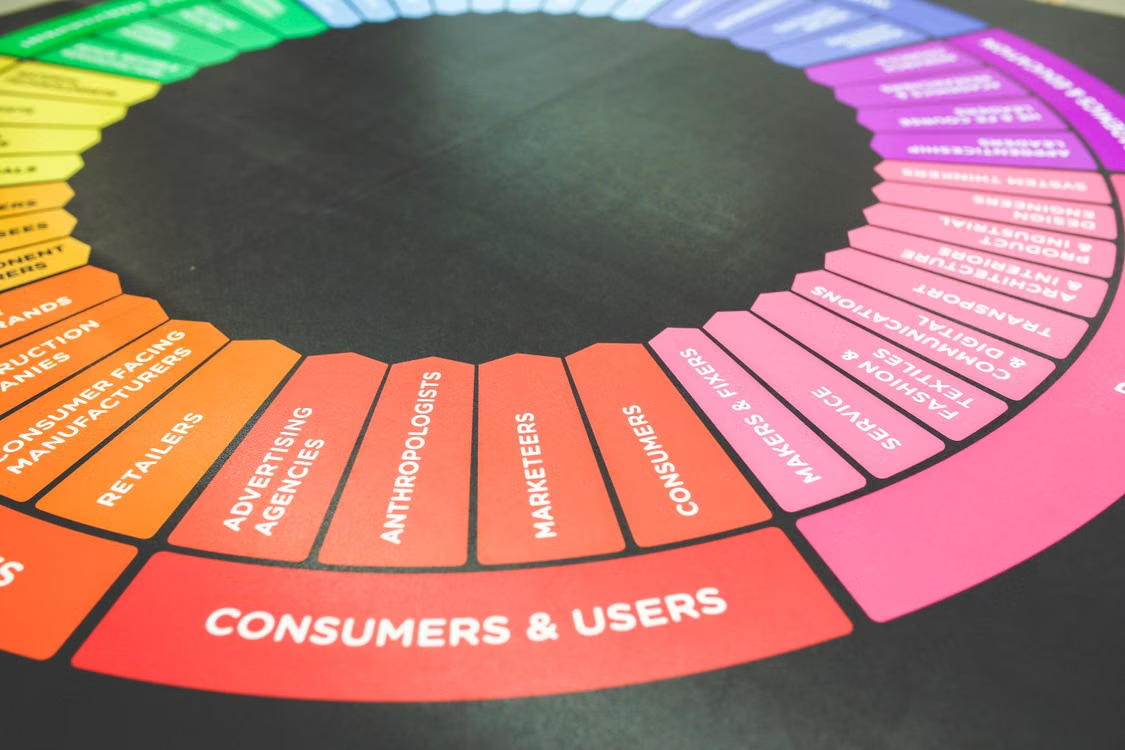
The website of an advertising agency has a special task to accomplish. It should present creativity, show expertise and prove the potential customers that this agency is capable of promoting their business. In comparison with ordinary websites of businesses, it should prove its marketing skills to the customer before he/she decides to cooperate with this team.
And so, there are some valuable lessons that can be learned from the websites of the best advertising agencies. First of all, these websites are aesthetically pleasing. But apart from this, these websites offer you some methods for making your service recognizable and clear through design, content and experience.
From large typefaces to immersive graphics, modern websites of advertising agencies strive to make themselves stand out. However, the most valuable trends are not those that attract the viewer’s attention, but those which create a brand.
Let's look at the design trends worth borrowing from leading advertising agency websites and how to apply them without sacrificing usability or performance.
1. Bold Typography That Makes an Immediate Impression
Typography has become an important part of agency website design. Instead of treating text as something that simply fills a page, many creative websites use large headlines, distinctive fonts, and expressive layouts to establish their identity.
A good headline could speak about the agency’s character even before visitors discover the agency’s services and portfolio.
For instance, a branding agency may want to show confidence and creativity through oversized fonts in their headlines. A performance marketing agency may want to show professionalism and precision through a clean, structured headline.
How to Apply This Trend
Begin with the title on your homepage. The title must express your message clearly without asking viewers to decipher a vague catchphrase.
Use fonts of appropriate size, weight, spacing, and color contrast to develop hierarchy in your visuals. The supporting text must still be readable, especially on mobile phones.
Do not use too many fonts and make every heading large. Fonts should direct your focus without conflicting with everything else.
2. Visual Storytelling That Puts Creative Work First
For advertising agencies, the portfolio is often one of the most important parts of the website. Potential clients want evidence of what the agency can create, not just claims about its creativity.
Top ad agency websites frequently use strong imagery, campaign visuals, video, and carefully selected project highlights to make their work the centerpiece.
A compelling visual presentation can communicate the agency's capabilities faster than a long description.
How to Apply This Trend
Choose portfolio projects that demonstrate the type of work you want to attract. Use high-quality visuals, but provide enough context for visitors to understand each project's purpose.
A case study might explain:
- The client's original challenge.
- The campaign or creative strategy.
- The work delivered by the agency.
- The outcome or business impact.
Whenever possible, include measurable results that can be supported by actual campaign data.
While an eye-catching portfolio might draw people’s attention, some indication of strategy and results is necessary for them to appreciate the importance of the work.
3. Minimalist Layouts That Serve a Purpose
Minimalism is still useful, as it helps sites communicate effectively. As opposed to loading each area with images and text, a minimalist design focuses on conveying a handful of key messages.
This approach can be particularly effective for agencies offering complex services. Visitors should be able to understand what the agency does, who it serves, and why it is worth considering.
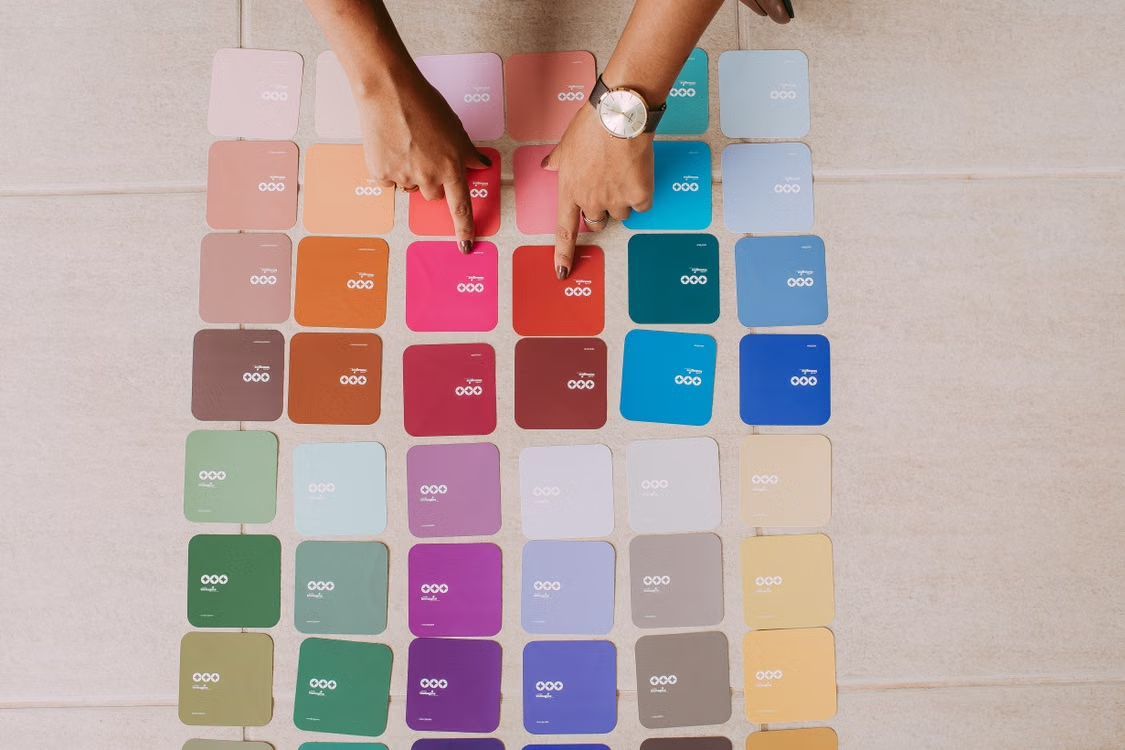
Minimalism doesn't have to mean a plain white background or an identical template. A site can use distinctive colors, unusual layouts, or expressive typography while maintaining a clear structure.
How to Apply This Trend
Review your homepage and remove elements that don't contribute to a meaningful goal.
Ask whether each section helps visitors understand your services, evaluate your expertise, explore your work, or contact your team.
Ensure that navigation is easy to navigate, and there is sufficient space for important information. It’s also advisable to avoid pop-ups, banner ads, and other distractions.
The web design must not seem like it’s void.
4. Interactive Design Features that Create More Interesting Browsing Experience
There are several ways through which interactive design features can enhance the experience on an agency website.
For an agency selling digital experiences, these details may also demonstrate technical and creative capabilities.
However, interaction should support the content instead of becoming the main attraction.
How to Apply This Trend
Consider subtle interactions such as:
- A project image that changes on hover.
- A smooth transition between portfolio sections.
- Animated elements that reveal information as visitors scroll.
- A simple interactive presentation of services or capabilities.
Keep essential information accessible without requiring visitors to discover hidden interactions.
Test your animation on mobile platforms and take into consideration people who are looking for minimal motion. Animation that is too heavy can impact the performance, so be sure to focus on interactions which contribute to comprehension or engagement.
5. Unique Branding Rather Than Common Agency Design
Agency websites commonly have similar design elements: bold headings, gradients, geometry, and neat grid-style portfolios. While all these things work well, they do not necessarily make a unique brand.
The more important question is whether the design reflects the agency's positioning.
A creative studio serving lifestyle brands may benefit from a different visual identity than an agency specializing in B2B lead generation or enterprise advertising.
How to Apply This Trend
Build your website around a recognizable brand system. This includes your color palette, typography, imagery, tone of voice, and the way you present your work.
Your design should reinforce the qualities you want clients to associate with your agency.
For example, an agency focused on data-driven marketing could use a clear layout and evidence-led case studies. A creative production studio might use expressive art direction and visually ambitious project presentations.
Consistency is key, but consistency does not always mean that all pages must appear the same. Apply a design language together with different content types playing their role.
6. Case Studies That Demonstrate Real Business Impact
A polished portfolio can show what an agency produces. Case studies explain why its work matters.
Potential clients often want to know whether an agency understands their challenges, develops appropriate strategies, and delivers results. A strong case study helps answer these questions.
This is especially important for agencies offering paid advertising, SEO, conversion optimization, and other services where business outcomes matter.
How to Apply This Trend
Create detailed case studies for selected projects rather than presenting every project as a gallery image.
Describe the issue, the strategy, and the results. If you have good data, include metrics such as the number of qualified leads produced, improvement in conversion rates, cost per acquisition, or revenue increase.
Provide context for the numbers so visitors can understand what changed and over what period.
If a project cannot be associated with a measurable result, focus on the creative challenge, execution, and value delivered instead of inventing performance claims.
7. Clear Calls to Action That Encourage Enquiries

An agency website can be great-looking but fail to work if the visitors do not know what to do next.
Call-to-action messages can help close this gap from browsing to actual actions taken. These could motivate visitors to schedule an appointment, ask for a quote, talk about a project, or check out a certain service.
The best call to action depends on the agency's audience and sales process.
How to Apply This Trend
Use specific language that tells visitors what happens when they click.
For example, "Discuss Your Next Campaign" may feel more relevant to an advertising agency than a generic "Click Here."
Place calls to action where they naturally follow useful information, such as after a service explanation, case study, or portfolio section.
Make contact forms straightforward. Asking for essential information is useful, but lengthy forms can discourage potential clients who are still exploring their options.
You don't need a button in every section. Focus on making the next step obvious at important decision points.
8. Motion and Video Used With Restraint
Video backgrounds, animated campaign previews, and motion graphics can add energy to agency websites. They can also help visitors understand the type of creative work an agency produces.
For agencies working with film, branding, social media, or digital campaigns, motion can be a natural extension of the portfolio.
The challenge is ensuring that visual effects don't overwhelm the experience.
How to Apply This Trend
Make use of motion to illustrate or highlight something significant. A small preview for a marketing campaign can convey the direction in which the creativity should flow, while a small animation can assist in demonstrating the functionality of an online experience.
Optimize your video files, and refrain from unnecessary uploading of large media files. It is important to ensure that your text is legible on moving backgrounds.
Consider providing controls for prominent motion and respecting reduced-motion preferences.
A website doesn't need to move constantly to feel modern. Often, a few well-chosen effects create a stronger impression than animation on every element.
9. Mobile-First Design That Doesn't Compromise Creativity
An agency website may be designed on a large desktop screen, but potential clients can discover it through mobile search, social media links, emails, or referrals.
If the mobile experience feels like a compressed version of the desktop site, important content can become difficult to access.
A strong responsive design preserves the site's identity while adapting its layout to different screen sizes.
How to Apply This Trend
Check how your homepage, service pages, case studies, and contact forms appear on mobile devices.
Pay attention to headline wrapping, navigation, image cropping, button placement, and the readability of supporting text.
Make sure portfolio elements remain easy to browse and that important calls to action are accessible without excessive scrolling.
Also test loading performance. Large images, autoplay videos, and unnecessary third-party scripts can make a creative website frustrating to use.
A mobile-first approach doesn't require sacrificing visual ambition. It requires making sure the design works in the context where people actually use it.
10. Faster Websites With Fewer Unnecessary Effects
Creativity on the website may take precedence over the performance of the website. Big videos, large pictures, heavy animations, and lots of scripts tend to increase the time taken to load.
This creates a problem for agencies because their websites need to demonstrate the same attention to detail they promise clients.
Performance is part of the user experience, and it can also contribute to search visibility through Google's page experience signals.
How to Apply This Trend
Make sure to optimize your images, use appropriately sized media files, and analyze scripts that are run on every page.
Important pages can be measured using various tools, including Google PageSpeed Insights, and analyzed based on Core Web Vitals, including loading performance, responsiveness, and layout shift.
Don't judge performance by a single score alone. Investigate the underlying issues and prioritize improvements that make the site faster and easier to use.
A visually ambitious website can still be efficient when its design and technical implementation are planned together.
11. Service Pages That Explain Value, Not Just Capabilities
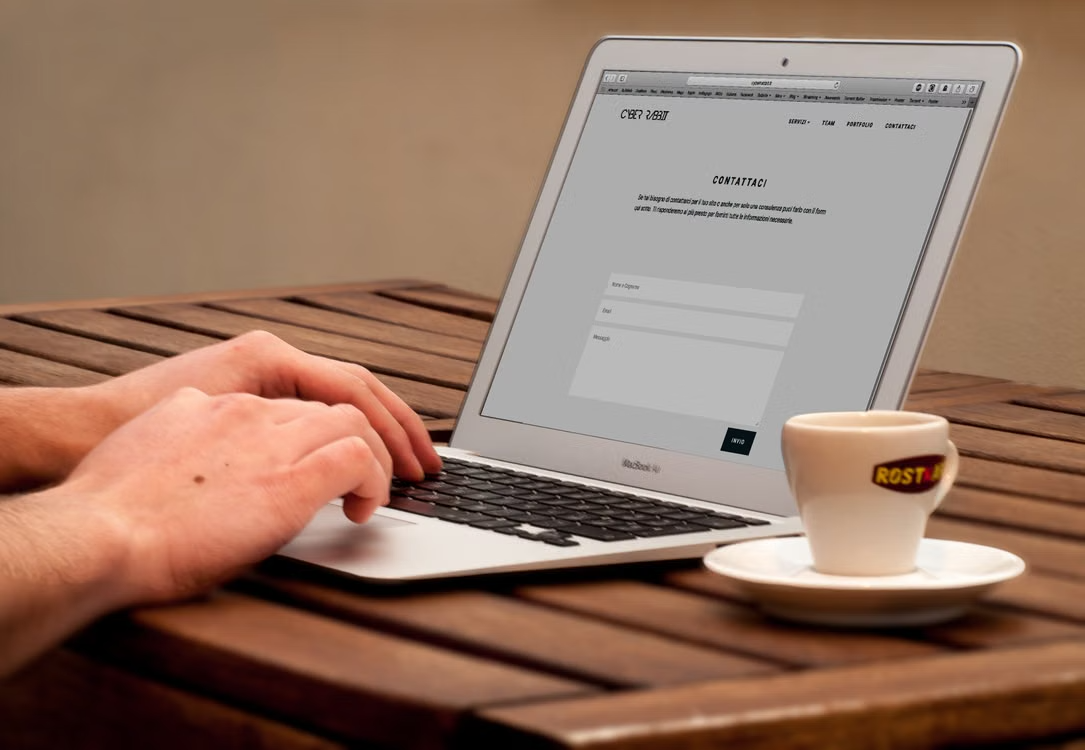
Some agency websites mention services like paid media, SEO, branding, creative strategy, and social media without clarifying to the customer what they get from them.
A list of capabilities tells visitors what the agency does. It doesn't necessarily explain why they should care.
Strong service pages connect capabilities with customer problems and business outcomes.
How to Apply This Trend
For each major service, explain who it is for, what problem it addresses, and how your team approaches the work.
Include relevant examples, explain your process, and answer common questions that prospective clients may have.
For example, a paid advertising page might explain how campaign strategy, audience targeting, landing page optimization, and conversion tracking work together.
Use internal links to connect related services and case studies. This helps visitors explore relevant information and understand how different capabilities fit together.
A Quick Checklist for Improving Your Agency Website
Before borrowing design ideas from leading ad agency websites, review your own site against these practical questions.
- Does the homepage explain what the agency does?
- Does the design reflect a recognizable brand identity?
- Are the most relevant portfolio projects easy to find?
- Do case studies explain the strategy and results?
- Is the navigation clear and intuitive?
- Are calls to action specific and easy to use?
- Does the website work well on mobile devices?
- Do animations and videos support the content?
- Are images and scripts optimized for performance?
- Do service pages explain value in terms clients understand?
- Can visitors easily contact the agency?
- Is website performance and conversion activity being measured?
You don't need to change everything at once. Start with the issues most likely to affect clarity, trust, and conversions, then refine the visual experience.
Final Thoughts
The best ideas to borrow from top ad agency websites aren't limited to a particular color palette, font, animation, or layout. They come from understanding how design supports the agency's identity and business goals.
Typography that is bold can create personality. Storytelling through visuals can create memorable pieces. Case studies can show value, and good calls to action can turn interest into enquiries.
The best websites manage to incorporate all of the above without compromising on usability and speed.
Instead of copying another agency's appearance, identify what makes its website effective and adapt those principles to your own audience, positioning, and services.
A strong agency website should do more than impress visitors. It should communicate value, build trust, and make it easier for the right clients to choose your business.
Want a Website That Turns Creativity Into Business Grow 253 Media, we help businesses strengthen their digital presence through website optimization, SEO, conversion-focused design, and digital marketing strategies.
Whether your agency needs a clearer website structure, stronger service pages, better organic visibility, or a more effective path from visitor to enquiry, the right improvements can make your website work harder for your business.
Contact 253 Media to identify opportunities to improve your website and build a digital presence designed to attract, engage, and convert the right audience.